
Introduction
Procuring workwear is a strategic decision that impacts worker safety, comfort, productivity, and your organization’s bottom line. Among the myriad fabric options available, polyester-cotton blends have emerged as one of the most popular choices across industries—from construction and manufacturing to logistics and healthcare-. This comprehensive guide walks you through everything you need to know about sourcing polyester cotton workwear, from understanding fabric compositions to selecting the right supplier and managing long-term costs.
Understanding Polyester-Cotton Blends
What Is Polyester-Cotton Workwear?
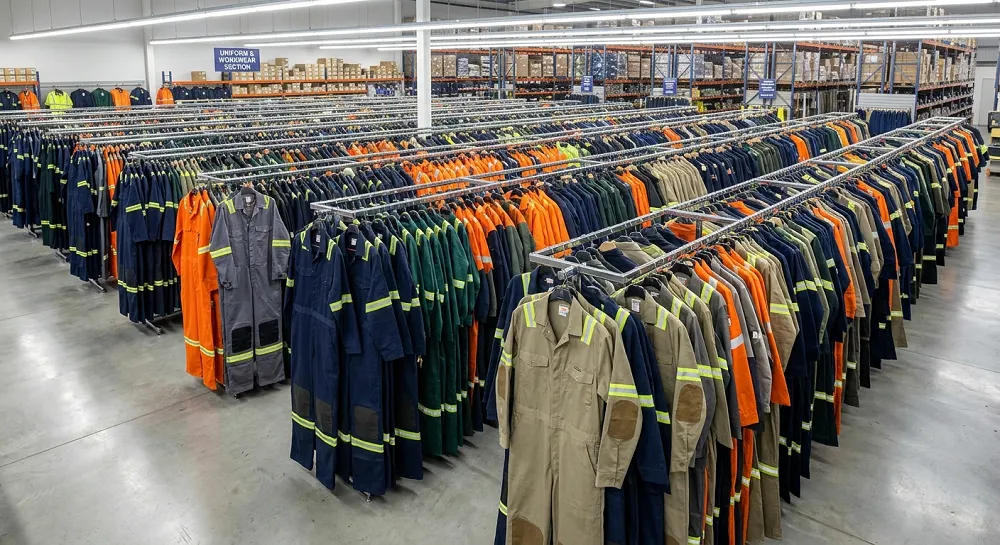
Polyester-cotton workwear is made by blending natural cotton fibers with synthetic polyester fibers in various ratios-. The combination leverages the strengths of both materials: cotton provides breathability, softness, and comfort against the skin, while polyester delivers durability, wrinkle resistance, and shape retention-.
Common Blend Ratios and Their Applications
65/35 Polyester/Cotton (TC – Tetoron Cotton)
This is the industry standard for heavy-duty workwear. The higher polyester content delivers superior durability, tear resistance, and longevity-. In work environments where garments undergo friction against machinery, TC blends can outlast cotton-dominant blends by up to 50% in wash-and-wear lifecycles-. Ideal for: construction, manufacturing, warehousing, and outdoor trades.
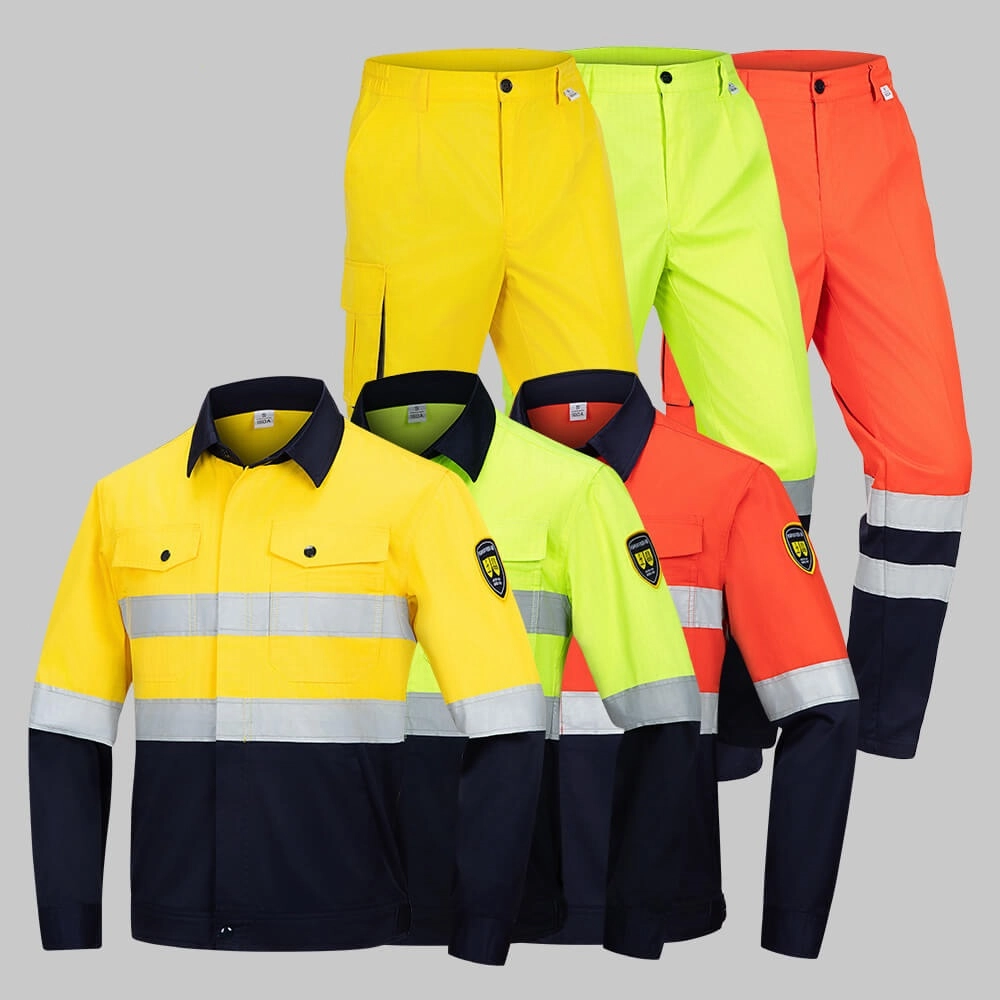
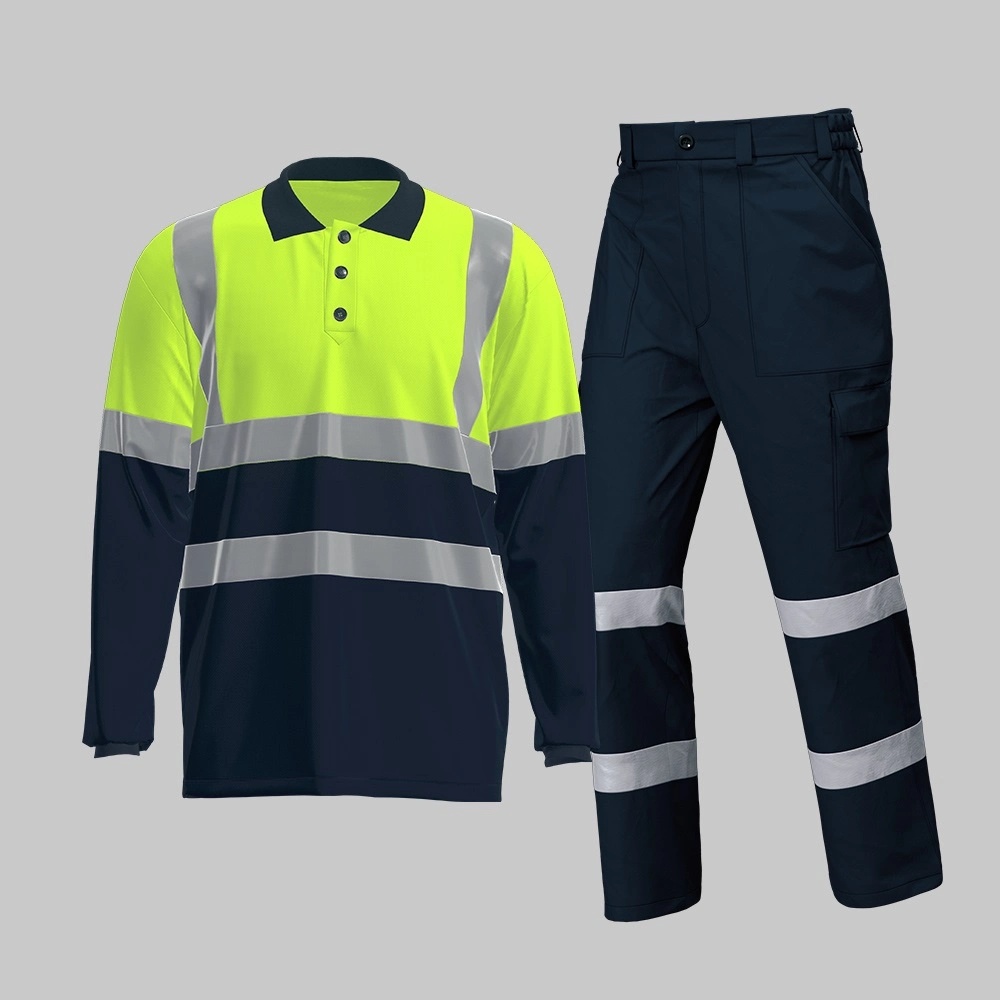
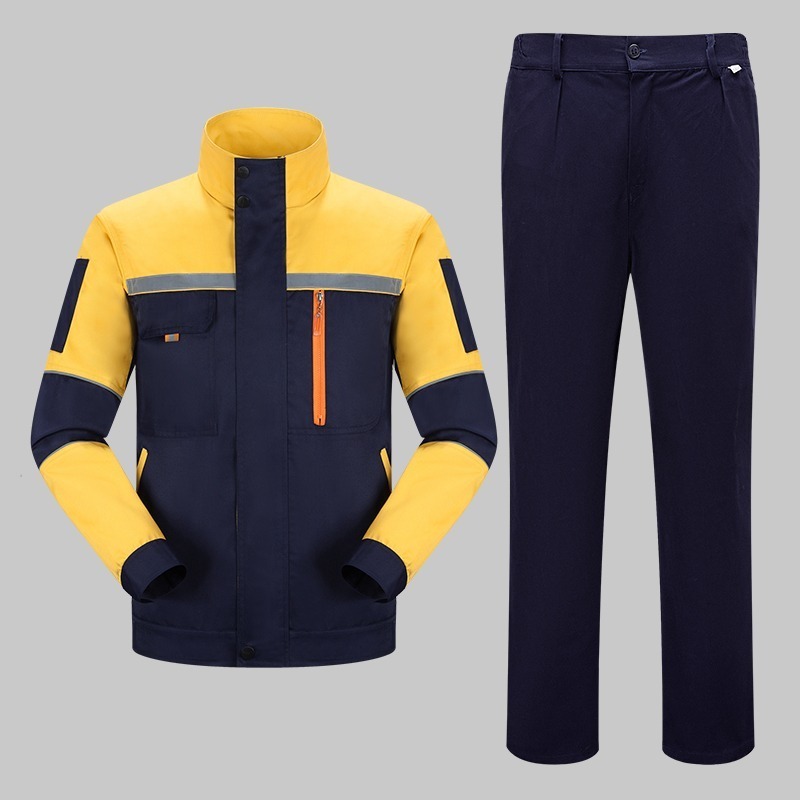
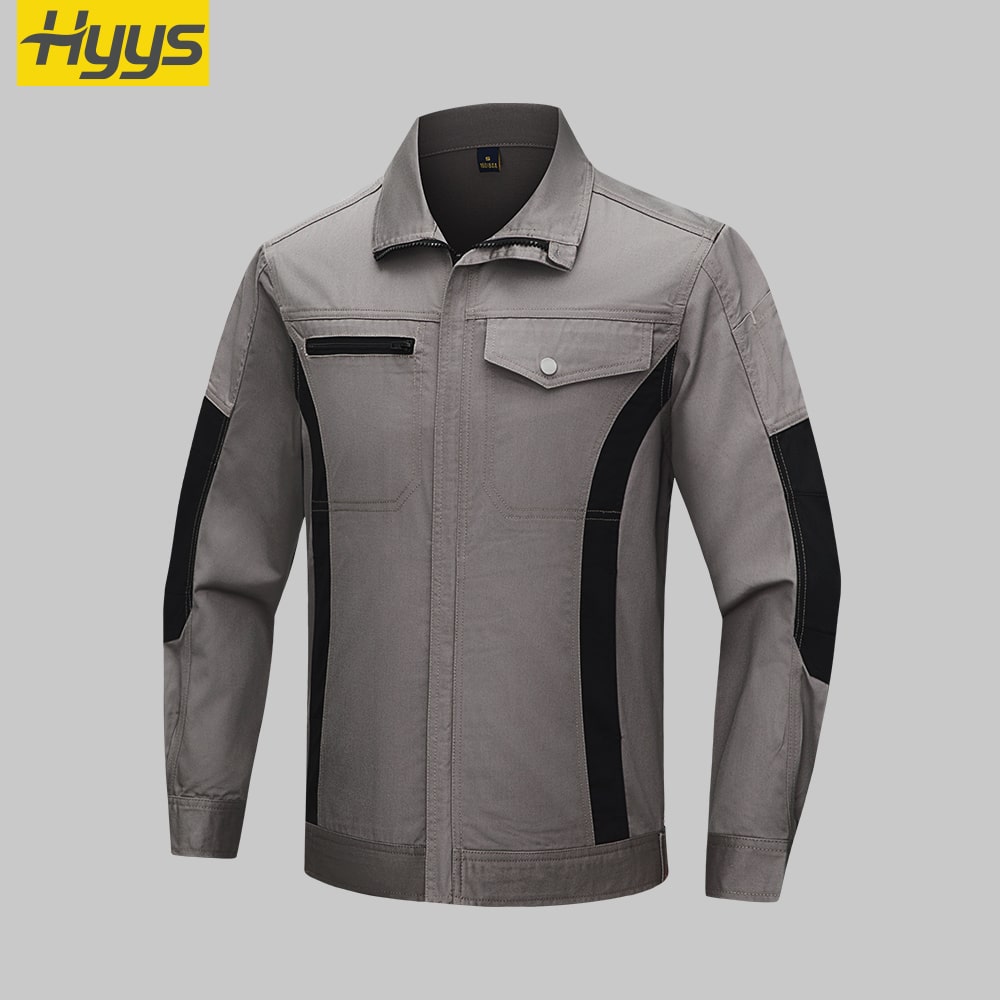
50/50 Polyester/Cotton
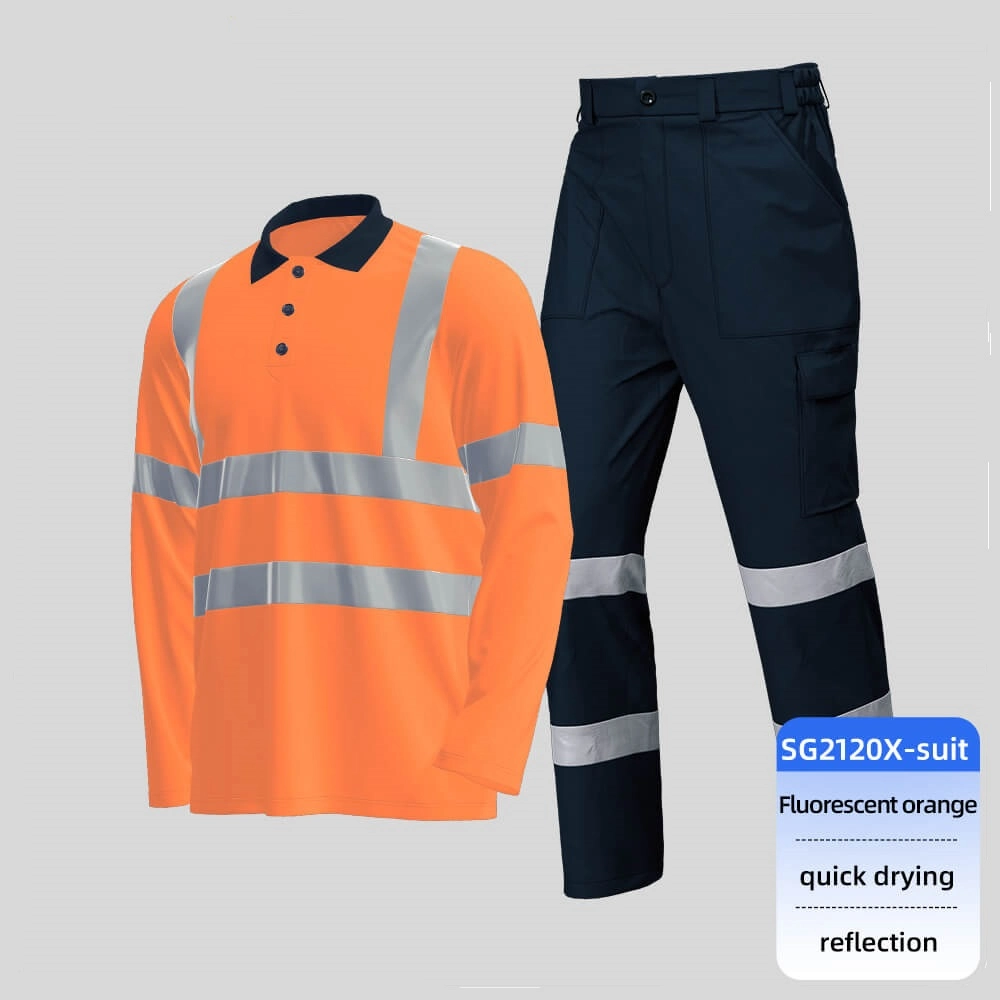
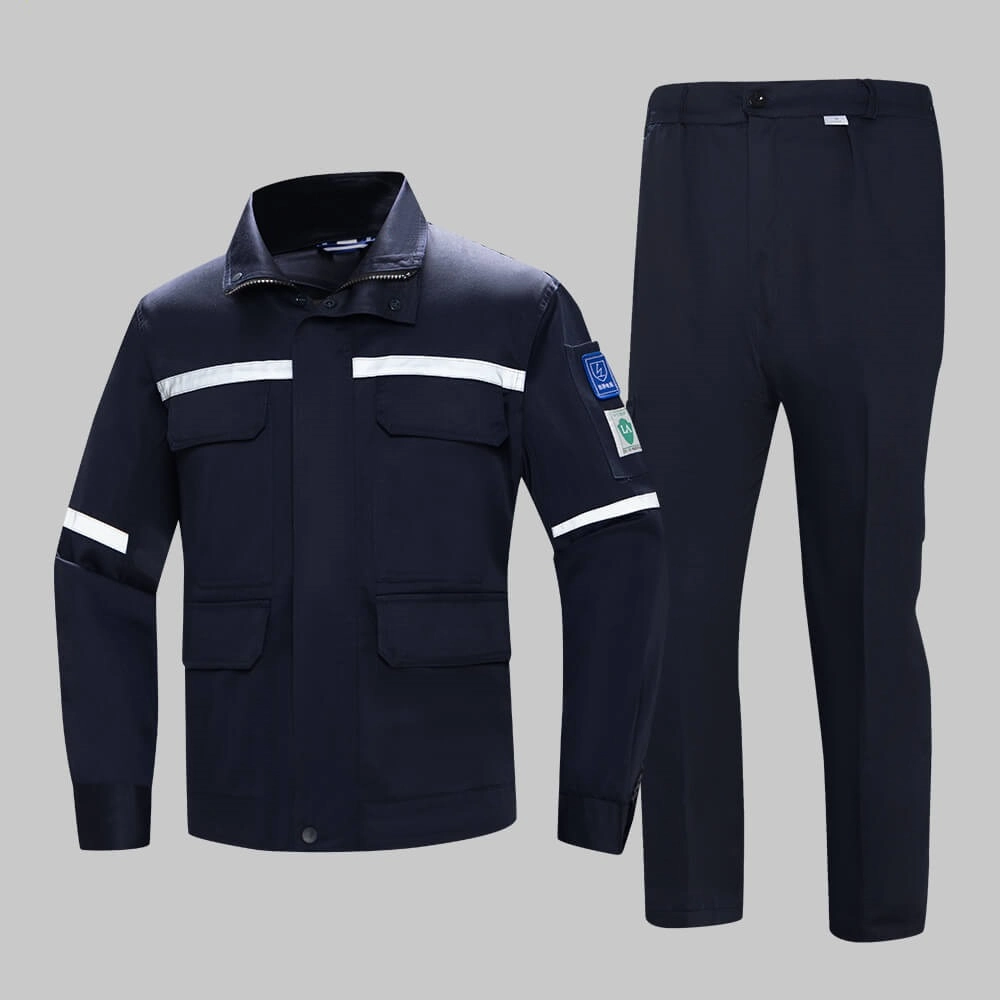
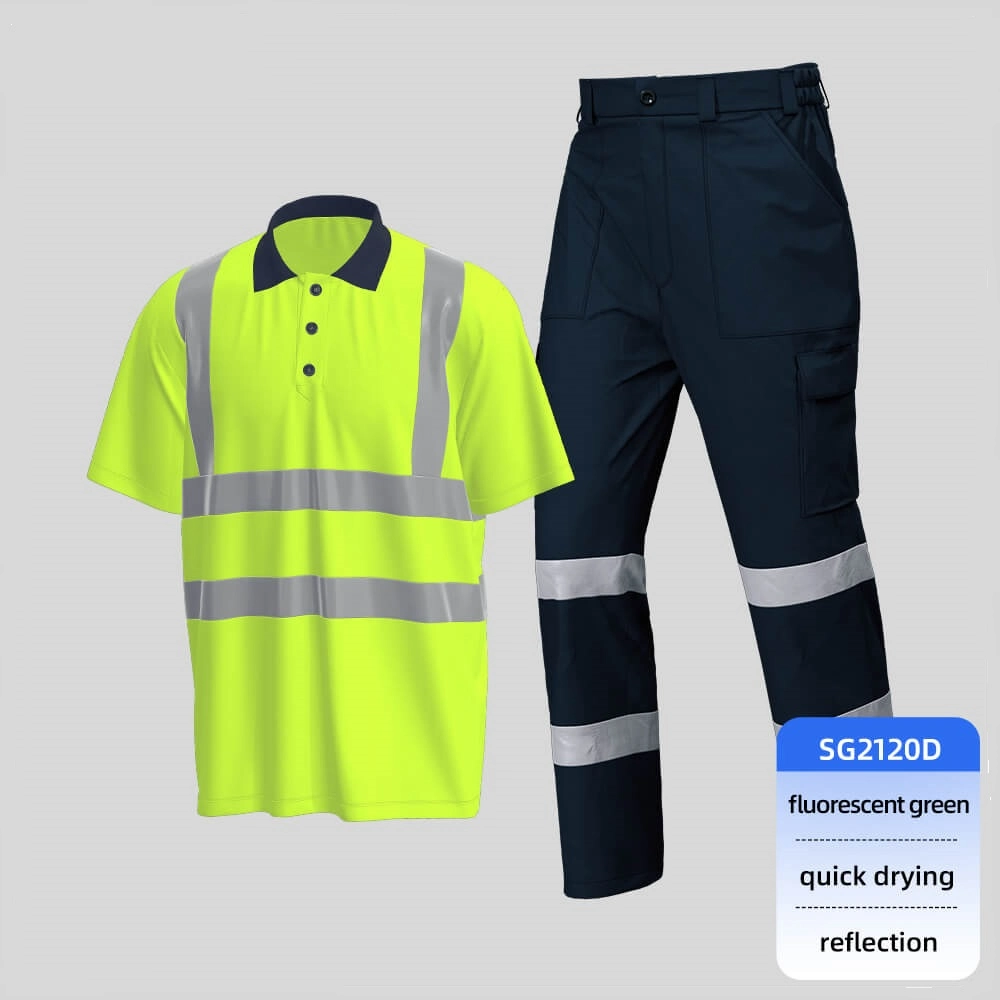
A balanced blend offering moderate durability and comfort. It provides a good middle ground for general-purpose workwear where extreme durability is not the primary concern-. Ideal for: light manufacturing, logistics, and customer-facing roles.
80/20 Polyester/Cotton
Cotton-dominant blends prioritize comfort and breathability. The higher cotton content feels softer against the skin and absorbs moisture more effectively-. Ideal for: indoor environments, office-adjacent roles, and warmer climates where comfort takes priority over extreme durability.
CVC (Chief Value Cotton) – e.g., 60/40 Cotton/Polyester
These cotton-rich blends offer superior comfort and a more natural hand-feel while retaining enough polyester for durability and wrinkle resistance. Ideal for: uniforms requiring a more professional appearance and extended wear comfort.
Key Procurement Considerations
1. Fabric Weight and Thickness
Fabric weight, measured in grams per square meter (GSM), directly affects durability, protection, and comfort. Different jobs demand different material weights-:
| Weight Range | Application | Characteristics |
|---|---|---|
| 170–190 GSM | Light-duty indoor workwear | Breathable, flexible, comfortable |
| 200–240 GSM | Medium-duty general workwear | Balanced durability and comfort |
| 250+ GSM | Heavy-duty industrial workwear | Maximum protection and abrasion resistance |
Common specifications for workwear include 210GSM (21×21 124×69) and 240GSM (20×16 120×60)-. Heavier fabrics provide better protection against abrasion and harsh conditions but may reduce breathability.
2. Durability and Longevity
Polyester is a highly crystalline polymer with excellent tenacity (4.5–7.0), resisting abrasion, flexing, and acids-. This translates to workwear that withstands:
- Repeated industrial washing – Polyester-cotton blends maintain their integrity through hundreds of wash cycles without significant shrinkage or deformation.
- Friction and abrasion – The synthetic component provides superior resistance to wear and tear compared to pure cotton.
- Wrinkle and shape retention – Garments maintain a professional appearance throughout the workday.
When evaluating durability, request wash-test data from suppliers. Reputable manufacturers can provide performance metrics after 50 or more industrial wash cycles.
3. Comfort and Breathability
While polyester enhances durability, cotton ensures wearer comfort. The natural cotton fibers allow air circulation and moisture absorption, preventing overheating during long shifts-. For hot or humid environments, higher cotton content (50% or more) is advisable.
However, polyester dries roughly three times faster than cotton, making it the preferred choice for humid environments or workers who sweat heavily-. This quick-drying property helps regulate body temperature and prevents chafing.
4. Safety Standards and Certifications
Workwear must comply with relevant safety standards depending on the industry and risk profile. Key certifications to look for include:
| Standard | Application |
|---|---|
| OEKO-TEX Standard 100 | Guarantees the fabric is free from harmful substances- |
| EN 11611 / EN 11612 | Flame-resistant protection for welding and hot work- |
| EN 1149 | Anti-static properties for explosive environments- |
| NFPA 2112 | Flash fire protection (North American standard)- |
| ISO 15797 | Industrial washability standards- |
For high-risk environments requiring flame resistance (FR), ensure the fabric has been properly treated and certified-. Standard polyester has poor flame resistance and must not be used for arc flash or welding applications.
5. Supplier Selection Criteria
Choosing the right supplier is critical to procurement success-. Evaluate potential suppliers on:
Quality Control and Transparency
Request physical samples to evaluate fabric hand-feel, stitching density (aim for ≥14 stitches per inch), and overall build quality-. Verify that suppliers maintain certified quality management systems and can provide test reports.
Production Capacity and Lead Times
Assess whether the supplier can handle your order volume within required timelines. Lead times typically range from 20 to 30 days for standard orders.
Customization Capabilities
If you require logo embroidery, printing, or specific color matching, confirm the supplier’s capabilities and any additional costs.
Regional Advantages
Different manufacturing regions offer distinct strengths. For cotton-polyester blends, provinces like Zhejiang and Jiangsu leverage decades of textile expertise for efficient mass production at competitive prices.
Certifications and Compliance
Verify that suppliers comply with relevant standards, including OEKO-TEX Standard 100 and any industry-specific requirements.
Cost Analysis and Value Assessment
Total Cost of Ownership
While upfront price is important, procurement professionals should consider the total cost of ownership (TCO):
Purchase Price – Polyester is typically 20–40% cheaper per yard than equivalent-weight cotton-. Higher polyester blends generally cost less than cotton-rich alternatives.
Longevity – Polyester-dominant blends last significantly longer than pure cotton, reducing replacement frequency.
Maintenance Costs – Polyester-cotton blends require less ironing, resist shrinking, and maintain color better than pure cotton-.
Shrinkage – Polyester arrives with virtually zero shrinkage, meaning less waste and more consistent sizing across batches.
Sustainability Considerations
Public sector procurement in some regions now requires minimum recycled content in textile products. By 2027, polyester fibre products procured by public sector bodies must contain a minimum of 20% recycled content where possible-. Consider suppliers offering:
- Recycled polyester from PET bottles
- Organic cotton content
- Sustainable manufacturing processes
Care and Maintenance Guidelines
Proper care extends the life of polyester-cotton workwear and maintains its professional appearance.
Washing
- Machine wash in cold or warm water.
- Avoid high temperatures that can damage synthetic fibers.
- Wash similar colors together to prevent dye transfer.
- Do not use fabric softeners – they can cause pilling and reduce the garment’s lifespan.
- Avoid bleach.
- Maximum wash temperature typically 60°C for standard blends.
Drying
- Tumble dry on low heat.
- Line drying at room temperature is preferred to extend fabric life.
- Avoid high-heat drying which can damage polyester fibers.
Ironing
- Iron at moderate temperatures (maximum 150°C).
- Iron inside out when possible to protect printed logos or embroidery.
Storage
- Never store dirty clothing – stains become more difficult to remove over time.
- Store in a clean, dry environment away from direct sunlight.
- Avoid storing in solvents or cleaning solutions.
Common Procurement Pitfalls to Avoid
Vague Specifications
One of the most common mistakes in workwear procurement is failing to specify fabric details clearly. Always include:
- Exact blend ratio (e.g., 65% polyester / 35% cotton)
- Fabric weight in GSM
- Required safety certifications
- Size grading and measurements across the full size range.
Skipping Sample Evaluation
Never commit to a large order without evaluating physical samples. Fabric hand-feel, color accuracy, and construction quality can only be assessed in person.
Overlooking Care Instructions
Different blends require different care. Ensure your team understands proper washing and drying procedures to maximize garment life.
Ignoring Compliance Requirements
Verify that the workwear meets all relevant safety standards for your industry and region before placing orders.
Frequently Asked Questions
Q: What is the best polyester-cotton blend for heavy-duty workwear?
A: The 65/35 polyester/cotton blend offers the best balance of durability, tear resistance, and longevity for demanding industrial environments.
Q: How do I verify the blend ratio of polyester-cotton fabric?
A: Request fabric test reports from the supplier, verify certifications, and consider independent laboratory testing for large procurement contracts.
Q: Is polyester-cotton workwear suitable for hot environments?
A: Yes, but choose blends with higher cotton content (50% or more) for better breathability. The quick-drying properties of polyester also help in humid conditions.
Q: How many wash cycles can polyester-cotton workwear withstand?
A: High-quality polyester-cotton blends can withstand 500+ industrial wash cycles without significant fading, pilling, or shrinkage.
Q: Should I choose TC or CVC fabric for my workwear?
A: TC (polyester-dominant) offers superior durability and is ideal for heavy-duty applications. CVC (cotton-dominant) provides better comfort and is suitable for lighter-duty or indoor roles.
Conclusion
Procuring polyester-cotton workwear requires careful consideration of blend ratios, fabric weight, safety standards, supplier capabilities, and total cost of ownership. By following this guide, procurement professionals can make informed decisions that balance durability, comfort, compliance, and cost-effectiveness.
The right polyester-cotton workwear protects your workforce, projects a professional image, and delivers long-term value through extended garment life and reduced replacement costs. Take the time to evaluate samples, verify certifications, and choose suppliers with proven quality track records – your investment in quality workwear pays dividends in worker satisfaction and operational efficiency.