
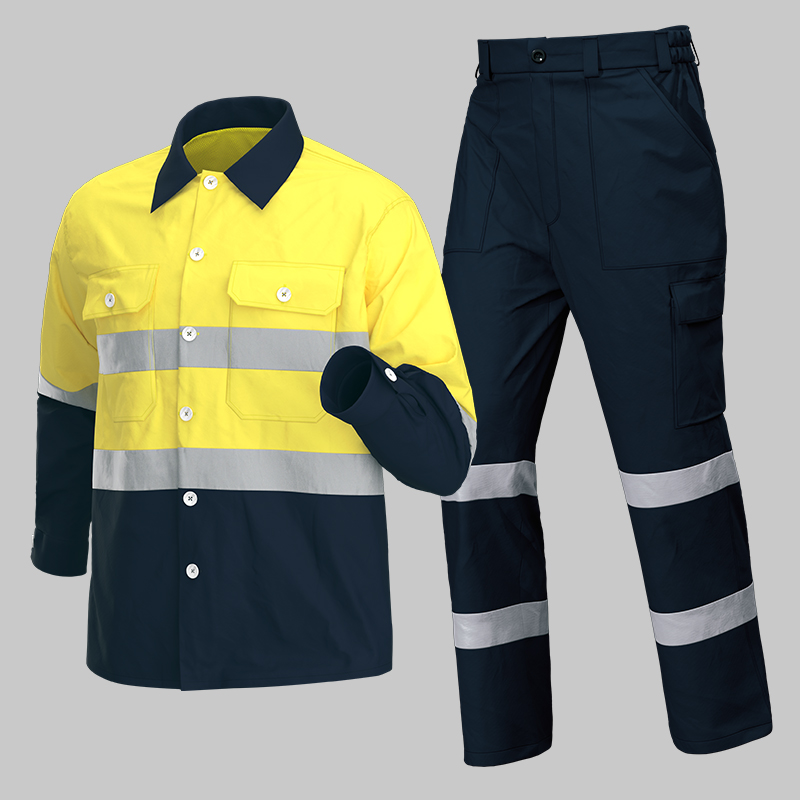
What Exactly Is a Work Jacket Shirt?
A work jacket shirt sits between a heavy chore coat and a standard button-up work shirt. It’s typically made from mid- to heavy-weight woven fabrics, features a full button or snap front, multiple utility pockets, and a cut roomy enough for layering. Unlike a fashion overshirt, a genuine work jacket shirt is built for the jobsite: reinforced seams, triple-stitching, and fabrics that can stand up to abrasion, sparks, and repeated industrial washing. When sourcing from manufacturers, understanding this hybrid nature is key — you’re neither ordering a shirt nor a full jacket, but a category with its own bill of materials, testing standards, and target end-user.
Top 5 Best Work Jacket Shirt Types to Source from Manufacturers
Just like the top-ranking “best product” guides break down their picks by use case, you should categorize your bulk order by the specific demands of the jobsite. Below are the five best-selling work jacket shirt types that belong in every wholesale catalog, together with exactly what to look for at the factory level.
1. Heavy-Duty Canvas Work Jacket Shirt – Best for Demanding Outdoor Jobs
Nothing beats classic cotton duck canvas for raw durability. This is the archetype customers imagine when they think of a rugged work jacket shirt.
Factory sourcing specs:
Fabric weight between 10 oz and 12 oz (340–400 gsm) ringspun cotton duck
Triple-needle stitched main seams and reinforced elbows
Brass or heavy-duty snap front closure, not plastic buttons
Deep gusseted chest pockets, pencil slots, and a hidden security pocket
Pre-wash or garment-enzyme wash to reduce shrinkage and break-in time
When talking to suppliers, ask for the Martindale abrasion score of the canvas — aim for at least 50,000 rubs. Also verify if they offer silicone or paraffin-impregnated finishes for water and stain resistance without sacrificing breathability. This type is your best-seller for construction crews, farmers, and oil field workers.
2. Lightweight Ripstop Work Jacket Shirt – Best for Hot Weather & Agility
In warm climates or high-movement trades, a lighter fabric is non-negotiable. Ripstop polyester-cotton blends or 100% cotton ripstop give the required tear strength while keeping the weight under 8 oz.
Factory sourcing specs:
Fabric: 7–8 oz (230–270 gsm) 65/35 poly-cotton or 100% cotton ripstop
Mesh or vented back panels for breathability (look for factories with laser-cutting capability)
Underarm gussets for range of motion
Hidden snap-down collar to prevent wind flap without bulk
UPF 40+ rated if targeting outdoor workers
Request a sample and check the ripstop pattern density; a tighter grid (e.g., 3mm x 3mm) stops tears better without adding weight. This is your best lightweight option for road construction, landscaping, and warehouse pickers who need mobility and temperature control.
3. Flame-Resistant (FR) Work Jacket Shirt – Best for Electrical & Welding Work
This is a safety-certified category that demands absolute manufacturer compliance. The “best” here means proven protection that doesn’t wash out.
Factory sourcing specs:
Inherently FR fabrics like Westex or Ariat-level quality, or treated 100% cotton that meets NFPA 2112 / ASTM F1506 standards. Your manufacturer must hold certified lab test reports for each batch.
FR-rated thread, FR hook-and-loop closures, and no meltable components (no exposed zipper teeth without an FR cover)
HRC 2 or higher protection (ATPV ≥ 8 cal/cm²)
Machine washable up to 100+ industrial launderings with documented FR retention
During factory audits, ask for the UL or Intertek verification file. Never rely on a supplier’s word for FR performance — request a third-party test coupon from your lot. This type is non-negotiable for electricians, welders, and petrochemical crews, and is one of the highest-margin segments when properly certified.
4. Insulated & Water-Repellent Work Jacket Shirt – Best for Cold Storage & Winter Sites
When the temperature drops, a work jacket shirt must hold heat without becoming a clumsy coat. Quilted or fleece-bonded bodies with DWR treatment are the gold standard.
Factory sourcing specs:
Shell: 10 oz cotton canvas or nylon-cotton blend
Lining: 100g–150g polyester quilted insulation or shearling-style fleece bonded to the shell
Durable Water Repellent (C0 or C6 DWR) with spray rating ≥ 80/100 after 20 washes
Rib-knit storm cuffs and an extended drop tail to keep drafts out
Two-way heavy-duty zipper with a snap-close storm flap
When evaluating a factory, test the DWR re-application protocol — the best manufacturers have an in-house process to advise buyers on care labels. This best cold-weather work jacket shirt is a winter staple for freight handlers, cold storage workers, and ski resort maintenance teams.
5. High-Visibility Safety Jacket Shirt – Best for Roadwork & Low-Light Conditions
Hi-vis gear is mandated on an ever-growing number of industrial sites. A jacket shirt that fuses ANSI/ISEA compliance with a comfortable shirt‑cut is a high-demand niche.
Factory sourcing specs:
Background fabric: fluorescent lime-yellow or orange-red polyester that meets ANSI 107 Type R Class 3 or EN 20471 Class 3
2″ wide reflective tape in a segmented or “broken-bands” pattern for breathability
Tape must be 3M™ Scotchlite™ or equivalent with factory‑issued compliance certificates
Stain-release finish to keep the fluorescent fabric bright after dirt and oil exposure
Detachable hood option and an ID badge holder
During sourcing, confirm that the reflective tape is heat-sealed and sewn — not just glued. Also, the factory should provide a batch-specific photometric test report. This best hi-vis work jacket shirt is essential for traffic flaggers, airport ground crews, and railway workers.
How to Choose the Right Work Jacket Shirt Manufacturer
Now that you know which types lead each category, the next step is vetting factories that can deliver consistent quality. Focus on these five checkpoints:
Specialization in workwear – A factory that makes fashion overshirts is not the same as one built for heavy-duty production. Look for specialized workwear lines with dedicated flat‑bed sewing machines, heavy‑duty needle systems, and bar‑tack stations.
Minimum Order Quantity (MOQ) clarity – Reliable wholesale manufacturers openly state MOQs per color and size. For customized work jacket shirts, expect MOQs from 300–500 pieces per style; for stock designs, it can go as low as 50–100 pieces.
Sample and development turnaround – Request a tech pack‑based pre-production sample. A professional factory will deliver a size‑set sample in 10–14 days, with full transparency on fabric mill source.
Certification database – For FR, Hi-Vis, or waterproof products, the manufacturer must share valid ISO 9001, OEKO‑TEX® Standard 100, and product‑specific compliance certificates. The best factories are also WRAP or BSCI audited.
Logistics and Incoterms – Clarify whether pricing is FOB, CIF, or EXW. A manufacturer that offers DDP (delivered duty paid) shipping for smaller bulk orders saves you a massive headache with customs.
Material & Construction Quality Control Checklist
When you receive samples or perform a pre-shipment inspection, run through this checklist used by professional procurement agents:
Stitching: Count stitches per inch — ≥ 8 SPI on main seams, ≥ 10 SPI on bar tacks. No skipped stitches or loose tension.
Fabric consistency: Check weight, weave, and color match against the approved swatch under a lightbox. For canvas, measure thickness with a fabric gauge to avoid under‑spec yardage.
Hardware: Snaps, zippers, and buttons must be from a named, traceable supplier (YKK, SAB, or an equivalent). Test snap pull strength to ≥ 15 lbs.
Color fastness: Factory should provide a wash test report showing grade 4 or better for both color change and staining.
Shrinkage: After 3 home‑laundry cycles or a single industrial wash, shrinkage must be under 3%. This is especially critical for cotton canvas models.
Functionality check: Each pocket must hold the stated load, zippers must run smooth, and reflective tape must show no edge lifting after 5 wash tests.
Customization & Private Labeling Opportunities
The biggest margin gains come from private labeling. Work with your manufacturer to offer:
Embroidery & patches: Custom chest logo embroidery or PVC patches. Confirm the factory has multi‑head embroidery machines and can digitize your artwork in‑house.
Woven labels & hangtags: Replace factory branding with your own brand labels, care labels, and retail‑ready hangtags that tell a story about durability.
Custom colour pantones: Dyed‑to‑order fabrics with a 2‑roll minimum allow you to offer exclusive colourways that big‑box stores don’t carry.
Size grading specific to your market: If you sell to a demographic that needs an extended size run (up to 6XL or tall lengths), confirm the factory’s grading patterns cover those dimensions without distorting the silhouette.
Pricing, MOQ, and Ordering Tips for Wholesale Buyers
Smart cost management starts before you place the order. Here is how to structure your procurement:
Tiered pricing negotiation: Never accept a single‑unit FOB price. Ask for a price ladder based on 500, 1000, and 3000 units. The step‑down difference should be at least 8–12% between tiers.
Fabric sourcing leverage: If your supplier uses a nominated fabric mill, ask for the greige fabric price separately. This allows you to transparently gauge the cut‑and‑sew labor cost.
Pre‑season ordering: Book production during low season (typically after January in Asia) to get 5–10% lower CMT costs and faster lead times.
Shipping mode: For a restock of best‑selling work jacket shirts, use sea freight with a 4‑week buffer; for urgent season starts, air freight can work if you negotiate a combined shipment of multiple styles to hit the 100 kg minimum.
A well‑sourced heavy‑duty canvas work jacket shirt can be landed at a wholesale cost that allows a 65–70% gross margin when sold direct to tradesmen, even after customs and duties.
Top Markets & Trends Driving Demand
To stock the best work jacket shirt for today, align with these purchasing trends:
Skilled trades resurgence: The growth in plumbing, electrical, and HVAC apprenticeships is driving demand for premium, long‑lasting work apparel that younger workers buy as a badge of pride.
Sustainability: More uniform buyers are requesting organic cotton canvas or recycled polyester ripstop. A manufacturer holding GOTS or GRS certification gives you a strong B2B selling point.
E‑commerce ready packaging: Resellers on Amazon and Shopify want work jacket shirts that are poly‑bagged with insert cards, minimizing prep‑center handling. Ask your factory if they offer FBA‑prep services.
Unisex and women’s cuts: 40% of trade workforce growth is female. Sourcing a tapered‑fit work jacket shirt with proper hip‑to‑waist grading is a rapidly underserved niche with very high repeat purchase rates.
Ready-to-Use Wholesale Sourcing Framework
To quickly replicate what top procurement teams do, follow this process flow:
Define your assortment → Choose 2–3 of the five types above based on your customer base (e.g., canvas + FR for an industrial uniform client).
Shortlist 3 manufacturers → Use a B2B platform to find specialized workwear factories, then pre‑filter by certification.
Request tech pack‑based samples → Pay for samples to get serious attention. Evaluate them against the quality checklist.
Negotiate and contract → Lock the FOB price, MOQ, lead time (typically 30–45 days), and defect allowance (usually AQL 2.5).
Arrange third‑party inspection → Book a pre‑shipment inspection to verify quantity, packaging, and on‑site product testing.
Plan the logistics → Consolidate with your freight forwarder and ensure the bill of lading matches your import license.
Frequently Asked Questions About Sourcing the Best Work Jacket Shirt
Q: Can I mix different types of work jacket shirts in one MOQ?
A: Most manufacturers allow a style‑mix across sizes and colours, but each style (e.g., canvas vs. FR) counts as a separate MOQ. You can sometimes negotiate a combined total volume discount if all styles use similar base fabrics.
Q: What is the most common mistake first‑time wholesale buyers make?
A: Over‑specifying a retail brand’s exact fabric hand feel without allowing for mill variations. Instead, specify performance parameters (weight, tear strength, shade range) and let the factory propose the best mill match.
Q: How do I protect my custom pocket or design layout from being sold to competitors?
A: Sign a mutual NDA and file a design patent or industrial design registration in your home country. Include the design registration number in the purchase contract with a non‑circumvention clause.
By structuring your sourcing around the five best‑use categories and the manufacturer evaluation steps above, you will stock a range of work jacket shirts that genuinely deserve the “best” label. Your wholesale catalog will not only match what the market demands but will also command the kind of loyalty that comes from delivering a product that truly fits the work, day after day.